Significance, Health Benefits, and Vedic Philosophy of Mundan Sanskar
The Spiritual, Biological, and Mental Cleansing of the Child (Chudakarana Sanskar)
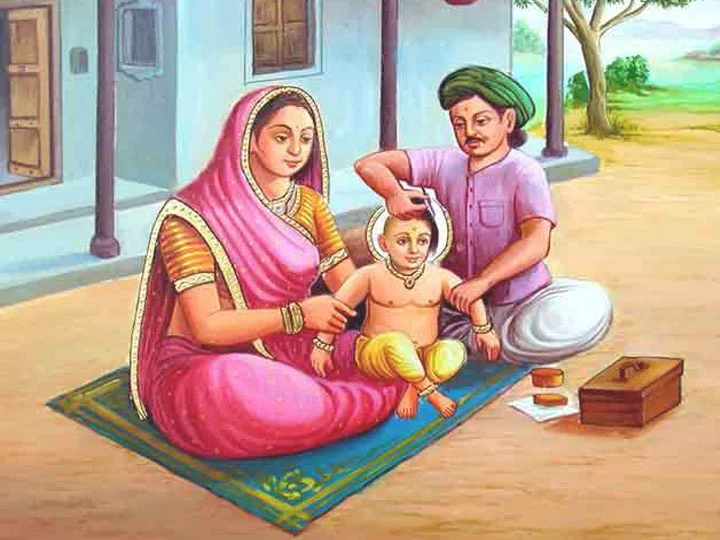
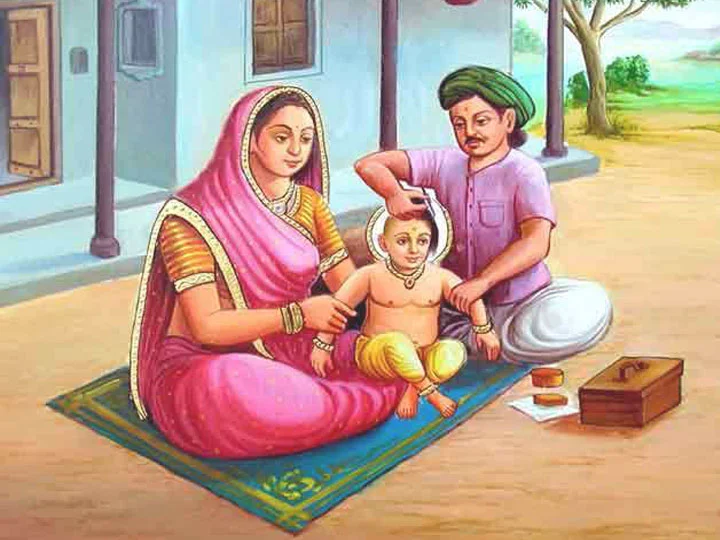
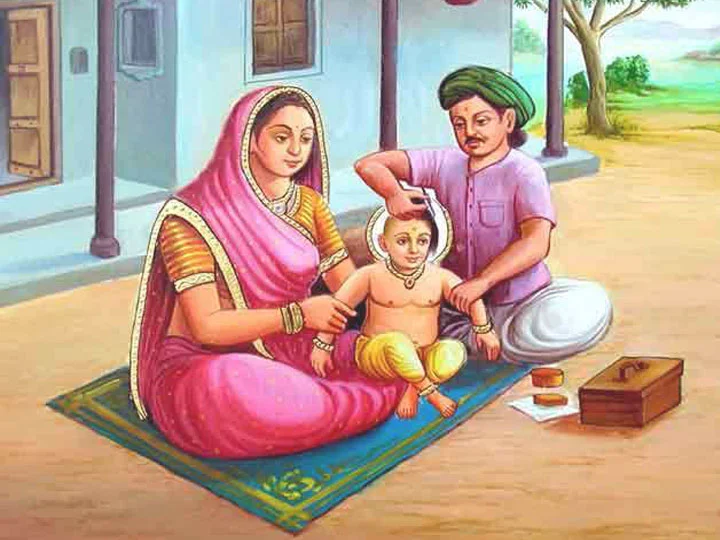
In Vedic philosophy and the Arya Samaj tradition formulated by Maharshi Dayanand Saraswati in the 'Samskara Vidhi', the Mundan Sanskar (formally known as Chudakarana or Chaul Sanskar) is the eighth vital rite among the 16 Vedic Samskaras. It involves the first ceremonial tonsuring (shaving of the birth hair) of the child, accompanied by a sacred Agnihotra Yajna (Havan).
Unlike ritualistic customs that associate tonsuring with blind superstitions, warding off imaginary evil eyes, or offering hair to deities, Arya Samaj conducts the Mundan Sanskar purely on scientific, biological, and Vedic grounds. The ceremony focuses on hygiene, stimulating cerebral nerves, enhancing intellectual capability, and invoking universal blessings through Vedic mantras.
Key Objectives and Benefits of Arya Samaj Mundan Sanskar:
Biological and Neurological Stimulation: The child’s birth hair carries remnants of amniotic impurities from the womb. Shaving this initial hair cleanses the scalp thoroughly, opens up hair follicles, and stimulates cranial nerves, which accelerates brain development, alertness, and healthy memory (Medha).
Scalp Health and Temperature Regulation: Removing the birth hair allows natural sunlight and Vitamin D to reach the scalp directly, improving blood circulation, cooling the head, preventing infant cradle cap, and relieving teething irritation and headaches.
Complete Absence of Superstition: Arya Samaj does not believe in making vows (manokamna) to rivers or deities for hair donation. The hair is collected hygienically and disposed of respectfully in natural soil or running water, keeping the entire focus on Vedic mantras and family prayers.
Sacred Vedic Chanting and Purification: The ceremony is conducted around the holy Havan fire where medicinal herbal samagri and pure desi ghee are offered. The child and parents are purified through ancient hymns from the Rigveda and Yajurveda, praying for the child's long life (Ayushya), physical vigor (Balam), and moral intellect (Varchas).