Importance of Namkaran Havan in Vedic Tradition
A Sacred Beginning for the Child’s Life
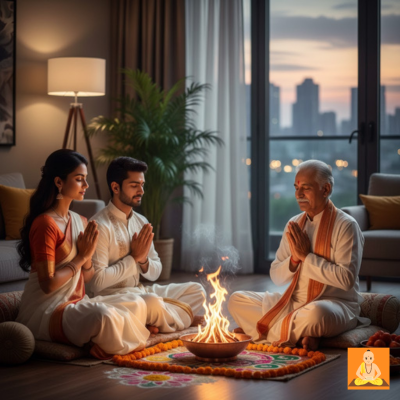
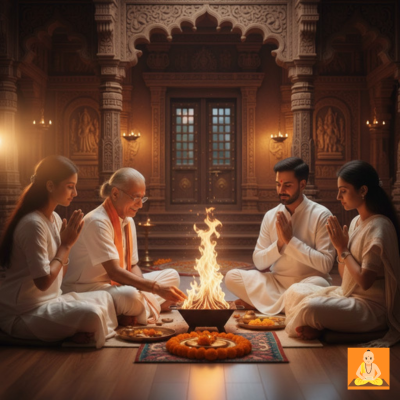
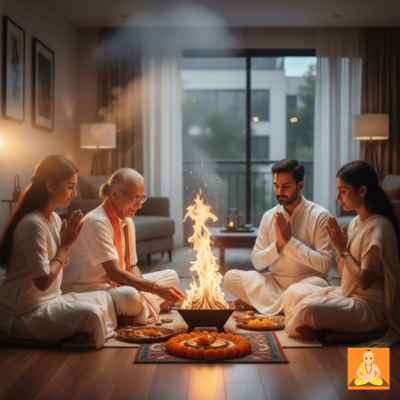
Namkaran Sanskar is one of the most important rituals performed after the birth of a child in Hindu tradition. It is the sacred ceremony in which the newborn baby receives an official name in the presence of family members, elders, and a priest. In Vedic culture, this ritual is performed with havan, Vedic mantras, and blessings, creating a spiritual beginning for the child’s life journey.
The naming ceremony is traditionally performed after the birth of the child once the mother and baby are ready for the ritual gathering. During the ceremony, a sacred fire is prepared and Vedic mantras are chanted while offerings are made into the havan kund. The priest announces the chosen name of the child and blesses the newborn for a healthy, prosperous, and righteous life.
Many families prefer organizing the Namkaran Havan Puja with an Arya Samaj Pandit Ji because the ceremony is performed in a simple and meaningful way according to Vedic teachings. The rituals focus on spiritual understanding and the chanting of Vedic mantras instead of complex customs. This approach makes it easier for family members to understand the significance of the ceremony and actively participate in it.
The presence of a knowledgeable Arya Samaj Pandit Ji for Namkaran Havan Puja ensures that every step of the ceremony is conducted correctly according to Vedic principles. The pandit guides the family through the rituals, explains the meaning of the mantras, and performs the havan to invoke divine blessings for the newborn child.
Important aspects of the Namkaran Havan ceremony include:
-
Vedic havan performed with sacred fire
-
Chanting of Vedic mantras for blessings
-
Announcement of the child’s official name
-
Blessings from elders and family members
-
Prayer for the health and prosperity of the newborn
-
Spiritual purification of the home environment