+91 96500 24436 Call Now

Arya Samaj Pandit Ji for Janeu Yagyopavit Havan Puja in Gurugram

Perform Vedic Upanayan Sanskar in Gurugram with Discipline, Clarity and Proper Guidance

Talk To Panditji

Vedic Role of Janeu Sanskar in Arya Samaj

A Structured Beginning of Learning, Responsibility and Self-Discipline

Janeu Sanskar, also known as Upanayan Sanskar, is one of the most intellectually significant Vedic rites because it marks the beginning of a child’s journey into disciplined learning and conscious living. In Arya Samaj philosophy, this ceremony is not treated as a symbolic or identity-based ritual but as a practical transition into a life guided by knowledge, responsibility, and daily discipline. The wearing of the Yagyopavit (sacred thread) is not the goal in itself; rather, it represents a commitment to a structured way of thinking and living.

In a modern city like Gurugram, where children grow up in highly competitive and academically focused environments, parents are increasingly looking for meaningful ways to introduce discipline beyond formal education. This is why searches like “Janeu Sanskar in Gurugram”, “Upanayan ceremony Arya Samaj Gurugram”, and “Pandit Ji for Janeu havan Gurugram” reflect intent-driven decisions rather than traditional obligation.

Arya Samaj approach keeps this ceremony clear and relevant by removing ritual complexity and focusing on understanding. The child is introduced to the concept of Gayatri Mantra, not as a chant to repeat blindly, but as a disciplined daily practice connected with awareness and focus. The ceremony becomes an educational moment rather than a performative one.

This sanskar is valued because it helps establish:

  • A clear transition into disciplined study and routine
  • Awareness of responsibility in personal conduct
  • Introduction to Vedic learning in a practical way
  • A focused mindset rather than symbolic identity
  • A meaningful foundation for long-term growth

For Gurugram families, this clarity matters. They prefer a ceremony that adds real value to the child’s development rather than one that feels formal or outdated. Arya Samaj Janeu Sanskar aligns perfectly with this expectation.
Arya Samaj Pandit Ji for Janeu Yagyopavit Havan Puja in Gurugram

How Janeu Havan is Conducted in Gurugram Homes and Mandirs

A Guided and Focused Process Designed for Understanding

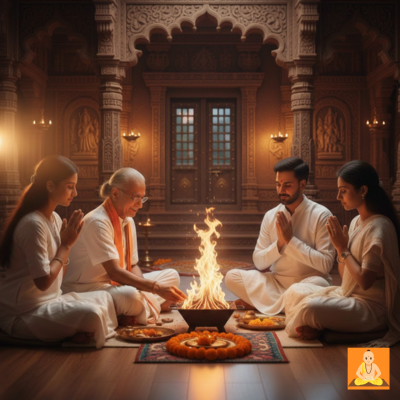
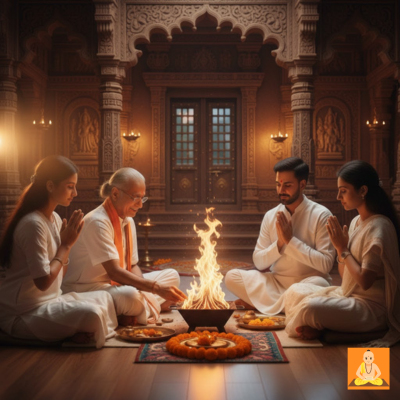
When you book an Arya Samaj Pandit Ji for Janeu Yagyopavit Havan Puja in Gurugram, the ceremony is conducted in a way that prioritizes clarity, participation, and structured flow rather than length or complexity. The environment is kept calm and distraction-free so that the child can remain comfortable and attentive throughout the process.

Unlike traditional setups that often become long and difficult to follow, Arya Samaj ensures that every step is explained and logically connected. The havan acts as the central element, creating a focused environment through Vedic mantra chanting, while the child is guided through each stage with understanding.

The emphasis is not on completing steps, but on ensuring that the child knows what each step represents. This makes the ceremony more impactful and relevant.

The process is structured in a clear sequence:

  • Sankalp to define the purpose of the Upanayan Sanskar
  • Preparation of a simple and safe havan setup
  • Agni prajwalan to initiate the Vedic process
  • Guided mantra chanting with explanation
  • Yagyopavit (Janeu) wearing with proper understanding
  • Introduction to Gayatri Mantra and its disciplined practice
  • Shanti mantras to conclude the ceremony

In Gurugram, this ceremony is commonly performed in:

  • Residential apartments in DLF phases and gated societies
  • Homes in Golf Course Road and Sohna Road areas
  • Builder floors and independent houses
  • Arya Samaj Mandirs for a more traditional setting

The setup is always adapted to the available space, ensuring that the process remains smooth and manageable.

What makes this approach effective in real scenarios is:

  • The ceremony remains structured but not overwhelming
  • The child stays engaged instead of confused
  • Parents understand each step without dependency
  • The overall experience feels calm and organized
  • The process fits easily into modern home environments

This practical execution ensures that the ceremony becomes a meaningful experience rather than a complex event.

Arya Samaj Pandit Ji for Janeu Yagyopavit Havan Puja in Gurugram

Why Upanayan Sanskar Needs a Practical Approach in Gurugram

Aligning Vedic Discipline with Modern Education and Lifestyle

Gurugram represents a lifestyle where children are exposed to structured education, technology, and competitive environments from an early age. While academic growth is strong, there is often a gap when it comes to internal discipline, focus, and value-based thinking. Janeu Sanskar, when performed with proper understanding, helps bridge this gap by introducing a framework of discipline and awareness that supports long-term development.

Arya Samaj approach makes this possible by keeping the ceremony aligned with modern thinking. Instead of presenting it as a rigid tradition, it positions the sanskar as a logical and meaningful step in a child’s development. This is why more families are choosing this method when searching for “Arya Samaj Janeu Sanskar in Gurugram” or “Pandit Ji for Upanayan ceremony”.

This approach works particularly well because it matches the expectations of modern parents who value clarity and practicality.

It becomes relevant for families who want:

  • A discipline-oriented beginning for their child
  • A ceremony that connects with real-life learning
  • A process that is simple yet meaningful
  • A structured introduction to daily practices
  • A stress-free and well-guided experience

The impact of this sanskar is not limited to the ceremony itself. When performed with understanding, it creates a mindset shift where the child begins to associate learning with discipline and responsibility rather than pressure.

Parents often observe that this approach helps the child:

  • Develop a sense of routine and focus
  • Understand the importance of daily discipline
  • Become more aware and attentive
  • Build a foundation for structured thinking
  • Feel connected to a meaningful practice

This is why Arya Samaj Janeu Sanskar is increasingly preferred in Gurugram—it does not feel outdated or forced; it feels relevant, practical, and aligned with modern life.

Arya Samaj Pandit Ji for Janeu Yagyopavit Havan Puja in Gurugram

।। ओ३म् ।।

Arya samaj Pandit Ji

समस्त प्रकार के वैदिक यज्ञ अनुष्ठान् हवन, प्रवचन,नामकरण, मुण्डन,जन्म दिवस, विवाह, गृह प्रवेश, भूमि पूजन, ऑफिस उद्घाटन, गायत्री जाप, महामृत्युजय जाप एवं सुख शांति समृद्धि हेतु विशेष यज्ञों के लिए संपर्क करें!

Frequently Asked Questions

The Janeu Yagyopavit Havan Puja ceremony usually takes around 1.5 to 2 hours, depending on the rituals included in the Upanayan Sanskar. The Arya Samaj Pandit Ji performs the havan, Vedic mantra chanting, and sacred thread ceremony in a structured and peaceful manner.

Before the ceremony, families usually prepare the space where the havan will take place. A clean and quiet place is selected for the havan kund, and the required puja samagri is arranged. The pandit generally guides the family about the necessary preparations before the Janeu Yagyopavit Havan Puja.

In Vedic traditions, havan is considered an important part of the Upanayan Sanskar. The sacred fire ritual is performed while chanting Vedic mantras, and offerings are made into the fire as prayers for knowledge, discipline, and spiritual growth.

Yes, family members and relatives can actively participate in the havan ceremony by offering havan samagri into the sacred fire and joining the prayers. The Arya Samaj Pandit Ji guides everyone during the ritual so that the ceremony becomes a meaningful spiritual experience for the whole family.

In many families, the Janeu ceremony is performed once as a symbolic beginning of a disciplined and spiritual life. However, some people may perform additional havan or spiritual rituals later in life as part of their personal religious practices.